

Meta Pixel Retargeting Explained for 2026


Brandong thinking about Meta Pixel Retargeting

Have you ever visited a website and then started seeing ads from that business on Facebook or Instagram? That is Meta Pixel retargeting in action.

For years, businesses have used the Meta Pixel to reconnect with potential customers who visited their websites but were not ready to buy. Today, however, Meta’s advertising platform has evolved beyond basic retargeting.

The Meta Pixel now helps train Meta’s artificial intelligence to understand which people are most likely to take meaningful actions, such as submitting a form, requesting a quote, scheduling an appointment, or making a purchase.

Understanding how the Pixel works can help your business improve ad performance, reduce wasted spending, and build more effective advertising funnels.

What Is the Meta Pixel?

The Meta Pixel is a small piece of JavaScript code installed on your website. When someone visits a page or takes an action, the Pixel sends information about that activity to Meta.

The Meta Pixel can track actions such as:

  • Visiting a website page
  • Viewing a product or service
  • Downloading a guide or lead magnet
  • Submitting a contact form
  • Scheduling an appointment
  • Adding a product to a shopping cart
  • Completing a registration
  • Making a purchase

The Pixel does not give the advertiser the visitor’s name or personal Facebook profile. Instead, it sends data that Meta may be able to associate with a logged-in Facebook or Instagram user.

This allows Meta to place that person into an advertising audience without revealing the person’s identity to the business.

How Traditional Retargeting Works

Traditional retargeting follows a straightforward process.

Step 1 A potential customer visits your website.
Step 2 The Meta Pixel records the page visit or action.
Step 3 The visitor leaves without purchasing or contacting your business.
Step 4 Your ads can later appear while that person uses Facebook or Instagram.

For example, someone might visit a product page, read about one of your services, or begin filling out a form without finishing it.

A retargeting campaign can remind that visitor about your business and encourage them to return.

The Big Shift: Meta AI

Meta advertising is no longer limited to asking, “Who visited this website?”

Meta’s AI is now trying to answer a much more valuable question:

Who is most likely to become this business’s next customer?

This means the Meta Pixel is no longer just a website tracking tool. It is also a learning tool.

Every event recorded by the Pixel teaches Meta something about the people who interact with your business.

Website Action Example Volume Signal Strength
Homepage visit 10,000 people Weak
Service or product page view 2,000 people Moderate
Lead magnet download 700 people Strong
Quote or consultation request 150 people Very strong
Completed purchase 60 people Highest

Meta can study the characteristics and behaviors associated with the people who completed the most valuable actions. Its AI then uses those patterns to prioritize ad delivery to other people who may be more likely to convert.

Meta Uses More Than Basic Demographics

In the past, advertisers often focused heavily on demographics and interests such as age, gender, location, job title, and hobbies and interests.

Those details can still matter, but Meta’s advertising system now evaluates many additional signals.

For example, Meta may recognize patterns related to whether someone:

  • Frequently researches products before buying
  • Watches educational videos to completion
  • Clicks ads related to certain products or services
  • Regularly submits online forms
  • Engages with content similar to yours
  • Often completes purchases after clicking advertisements

Most of these signals are not visible to advertisers. You choose the result you want, and Meta’s AI uses the data available to predict who is most likely to take that action.

Why Conversion Events Matter

Not every website action has the same business value.

Someone who briefly visits your homepage is not necessarily as valuable as someone who requests a quote, schedules an appointment, or completes a purchase.

Successful advertisers organize website actions into a signal hierarchy.

Event Business Intent Signal Strength
Homepage View General awareness Weak
Product or Service View Specific interest Moderate
Lead Magnet Download Active engagement Strong
Contact Form Submission Purchase consideration Very strong
Purchase or Appointment Completed business outcome Highest

When possible, businesses should optimize Meta campaigns for the strongest reliable event they generate consistently—not simply for clicks or page views.

Why Retargeting Still Matters

Artificial intelligence has not replaced retargeting. It has made retargeting more intelligent.

Imagine that someone reads one of your blog articles, downloads a free resource, and then visits your pricing page several days later.

Those actions suggest that the prospect is moving closer to a buying decision.

Instead of continuing to show that person introductory ads, you can retarget them with content that matches their stage in the decision-making process.

Effective retargeting content might include:

  • Customer testimonials
  • Case studies
  • Frequently asked questions
  • Product demonstrations
  • Limited-time offers
  • Invitations to request a quote or consultation

The Role of the Conversions API

Privacy changes, browser restrictions, cookie limitations, and ad-blocking technology have made browser-based tracking less complete than it once was.

Meta’s Conversions API, often called CAPI, helps businesses send conversion events directly from their website server, customer relationship management system, e-commerce platform, or other business software.

Meta Pixel

Sends website events through the visitor’s browser.

Conversions API

Sends eligible events directly from your server or business platform to Meta.

Many businesses use the Pixel and Conversions API together. This gives Meta a more complete and reliable view of how advertising contributes to business results.

Building a Smarter Advertising Funnel

A strong Meta advertising strategy does more than place ads in front of people. It creates a clear path from first contact to customer conversion.

  1. A prospect discovers your business through an advertisement.
  2. The prospect visits your website.
  3. The prospect views a product, service, or educational resource.
  4. The prospect downloads a guide or joins your email list.
  5. The prospect sees a retargeting advertisement.
  6. The prospect requests more information or begins checkout.
  7. The prospect becomes a customer.

Each step produces another signal. The more accurately you track those signals, the more effectively Meta can optimize your campaign.

Meta Pixel Best Practices for Businesses

Businesses can improve their Meta advertising performance by following these practices:

  • Install the Meta Pixel across your entire website. This helps create a complete picture of how visitors interact with your content.
  • Track meaningful conversion events. Do not rely only on basic page views when stronger actions are available.
  • Create custom conversions. Track important thank-you pages, form submissions, registrations, purchases, and appointments.
  • Build audiences for different funnel stages. Separate general website visitors from product viewers, leads, and customers.
  • Exclude people who have already converted. Do not continue showing introductory offers to people who have already completed the desired action.
  • Use the Conversions API when possible. Server-side data can improve event reliability and campaign measurement.
  • Optimize for business outcomes. Focus on leads, appointments, purchases, and qualified customers—not vanity metrics.

Retargeting Remains Valuable

The Meta Pixel has evolved from a basic website tracking tool into an important part of Meta’s machine-learning system.

Retargeting remains valuable because it allows businesses to reconnect with people who have already shown interest. The greater opportunity, however, comes from using high-quality conversion data to teach Meta what a valuable customer looks like.

Businesses that track meaningful actions and optimize for real outcomes can improve conversion rates, reduce wasted ad spending, and build stronger long-term campaigns.


How Social Media Analytics & Strategy Have Evolved — And What It Means for Your Content


People in board room celebrating their success

The world of social media never stops shifting, but 2025 marked one of the biggest turning points yet, especially when it comes to analytics and strategy. Platforms are changing what they track, how they track it, and how creators and brands must respond. For businesses, creators, and marketers, staying ahead of these shifts is no longer optional; it’s mission-critical.


Google Analytics Now: A Smarter, More Privacy-Aware Landscape

Google has continued to refine its analytics ecosystem after the full global adoption of GA4 in 2023–2024. Now, the changes are both smarter and more restrictive:
  1. AI-Enhanced Behavioral Predictions Google’s predictive modeling is more accurate than ever, using machine learning to forecast user actions such as likely purchases, sign-ups, or churn. This empowers content creators and businesses to optimize content around expected user pathways, not just past data.
  2. Event-Driven Data Goes Even Deeper GA4’s event-based structure has expanded, allowing businesses to track micro-interactions like scroll patterns, hover actions, and multi-step behaviors with more clarity. These advanced events reveal how users truly engage with your content.
  3. Privacy-First Attribution With continued changes to cookies, GDPR-style regulations expanding globally, and Chrome’s ongoing cookie deprecation, attribution models have adapted. Cross-device and cross-platform measurement rely heavily on modeled data—meaning creators must think holistically, not just platform-by-platform.

Meta Analytics 2025: The Shift Toward Intent, Not Just Impressions

Meta continues to transform how Facebook and Instagram define success, moving away from vanity metrics toward meaningful engagement and user intent.
  1. Engagement Quality > Engagement Quantity Likes and low-value reactions have diminished in importance. Instead, Meta prioritizes:
    • Meaningful clicks
    • Longer watch times
    • Repeat sessions
    • Conversational comments
    This pushes creators to focus on depth of engagement, not superficial reach.
  2. Cross-Platform Behavioral Tracking Meta’s AI now integrates user behavior across Facebook, Instagram, Threads, and WhatsApp more seamlessly than ever. This means content strategy must be fluid, matching the tone and behaviors of each app.
  3. Content Distribution Powered by AI Signals Meta’s ranking algorithms use AI to identify whether content:
    • Aligns with user interests
    • Feels authentic
    • Sparks substantive conversation
    • Keeps users in the ecosystem
    Businesses must create content that earns trust and attention—not just scroll-by impressions.

2025 Strategy: From “Posting Content” to “Designing User Experiences”

Marketing in 2025 requires a shift from output-focused thinking to experience-driven strategy. Content must invite interaction. Social media calendars must reflect user search intent and behavior patterns. Creators must use analytics not as a report, but as a creative compass.

Brands that succeed will blend storytelling with data science, making content that feels personal, purposeful, and genuinely helpful.


How to Thrive in This New Landscape

As the social media environment continuously evolves, I specialize in navigating changes with clarity and creativity. I translate complex analytics into simple, actionable strategies, then craft high-performing content that stands out in today’s competitive landscape. Whether you’re trying to understand new Google attribution models, adapt to Meta’s engagement shifts, or build content that resonates across platforms, I can ensure your organization stays ahead of the curve. With a blend of strategic insight, platform knowledge, and compelling content creation, I help you meet these new challenges head-on—and achieve exceptional results now and into the future.
~ Lynn Moody, CEO


Why Getting Into the Mind of Your Audience is the Secret to High-Performing Social Media Content


Eliza deciding whether to go into the store

If you want your social media content to actually do something: drive traffic, generate leads, spark conversations, or guide people to a product or service, it must do more than look good. It must tap into the psychology of your audience.

The difference between mediocre content and high-impact content often boils down to one thing: How well you understand your users’ search intentions.

When you know what someone is really trying to accomplish, solve, feel, or learn when they open an app or type a keyword, you can create content that connects instantly and guides them exactly where they need to go.

Let’s break down why this matters.


People Aren’t Just Scrolling—They’re Searching

Even if they aren’t typing into a search bar, social media users are searching. Every swipe, click, or pause on a video is driven by an internal question:

  • How do I fix this problem?
  • Where can I find this product?
  • Who understands what I’m dealing with?
  • What should I buy?
  • Is there a business near me that can help?
When your content is built around these invisible questions, you don’t have to interrupt people—you attract them. Your posts become answers, not ads.


Search Intent: The Hidden Engine Behind Effective Content

Most people think of “search intent” only in terms of Google SEO, but on social media it matters even more. Platforms like Facebook, Instagram, and TikTok now function as discovery engines—people use them to find: Local businesses Service providers Tutorials Inspiration Reviews Solutions Community If your content doesn’t match these intents, algorithms won’t push it and users won’t engage with it.

But when your content lines up with what your audience is looking for, everything changes. You earn higher visibility, longer watch time, more shares, more clicks, and better quality leads, because your content:

  1. Solves their problems: Your content becomes a roadmap that brings them closer to the outcome they’re searching for.
  2. Speaks their language: You use their phrasing, their concerns, their emotional triggers, not generic marketing text.
  3. Builds Trust: When a user thinks, “Oh yeah, I need to know that too," they know you understand them.
  4. Connects emotionally: People don’t just buy products—they buy clarity, relief, convenience, confidence, belonging, and reassurance.
  5. Leads them directly to your product or service: Not through a sales pitch, but through relevance.


Search Intent Turns Social Media Into a Pathway to Your Business

Once you know why people are searching, you can position your content to guide them directly to your: Product, Service, Website, Booking page, Storefront, Email list, Community.

You’re not just posting—you’re building a bridge.

Great social media content doesn’t try to convince people to care; it shows people that you understand what they already care about. That is the shortcut to trust, and trust is the shortcut to action.


How to Start Getting Into the Mind of Your Users

Here are simple ways to uncover search intent and build better content:
  • Ask customers what they were trying to solve when they found you
  • Study comments, FAQs, DM questions, and reviews
  • Use social listening tools to find common pain points
  • Search your own topics on TikTok, YouTube, and Instagram to see what appears
  • Pay attention to how people describe their problems—not how you describe your solution
  • Check autocomplete suggestions in search bars (these reveal user intent instantly)
When you create content that mirrors users’ actual goals and internal conversations, you stop competing for attention and start earning it.


The Bottom Line

Getting into the mind of your audience isn’t a creative exercise—it’s a performance strategy. In a world overflowing with content, relevance is the ultimate competitive advantage.

And relevance starts with understanding your users’ intentions.


Why Facebook Ads Are So Difficult to Get Right — What Smart Marketers Do Instead


Social Media Marketer and Successful Facebook Ad Campaign

Facebook ads used to be the golden ticket of digital marketing. Low costs, precise targeting, and seemingly endless reach made it a dream platform for small businesses and major brands alike. But in 2025, many marketers are quietly admitting a painful truth: Facebook ads just aren’t working like they used to.

If you’ve poured time, money, and hope into Facebook campaigns only to see disappointing results, you’re not alone. The landscape has changed — dramatically. Between algorithm shifts, privacy laws, audience fatigue, and rising competition, Facebook advertising has become one of the hardest channels to master.

Let’s unpack why it’s so difficult to get results today, and what smart marketers are doing differently to stay ahead.


The Algorithm Has Changed — Again

Facebook’s algorithm is designed to serve users, not advertisers. Over the past few years, Meta has prioritized personal content, short-form video (Reels), and meaningful interactions over branded or promotional posts. That means even when you pay for ads, your reach is competing with a tidal wave of algorithmic preference toward entertainment and connection — not conversion. Worse yet, Facebook’s ad delivery system relies heavily on machine learning. If your campaign doesn’t collect enough high-quality data fast enough, it never exits the “learning phase.” The result: erratic performance, wasted budget, and CPMs (cost per thousand impressions) that make your eyes water.


Audience Targeting Isn’t What It Used to Be

Remember when you could laser-target Facebook users by niche interests, job titles, or even specific purchase behaviors? Much of that granularity disappeared after the iOS 14 privacy update and the ongoing tightening of data-sharing laws. Today, Facebook advertisers must work with broader “lookalike” and “interest” audiences that often include people who have no real intent to buy. The targeting is fuzzier, and the performance reflects that. Instead of being able to handpick your perfect audience, you’re trusting Meta’s algorithm to guess — which can be hit-or-miss depending on how much historical data your account has and how well your creative resonates.


Rising Ad Costs and Shrinking ROI

The supply-and-demand equation has caught up with Facebook. More advertisers are bidding for fewer quality impressions, and that drives costs up. According to multiple industry studies, average Facebook CPMs have increased by over 40% in the past two years, while click-through rates have dropped. Add to that the growing competition from TikTok, YouTube Shorts, and other attention-grabbing platforms, and the economics become even tougher. Many small businesses are finding that by the time they pay for clicks, nurture cold leads, and finally close a sale, their profit margins are razor-thin — or even negative.


Creative Fatigue Happens Fast

One of Facebook’s hidden challenges is creative burnout. The average ad creative (a combination of image, copy, and headline) often starts to decline in performance within just 7-10 days. Why? Because users see it repeatedly. The human brain craves novelty, and Facebook’s algorithm rewards fresh engagement. That means marketers must constantly create, test, and refresh content — a time-intensive cycle that eats into productivity and budgets. Marketers who can’t keep up with the creative churn quickly see costs spike and results plummet.


Users Don’t Trust Ads Like They Used To

Facebook’s audience is savvy — and skeptical. After years of being bombarded with offers, clickbait, and “too good to be true” products, users have developed ad blindness. They scroll past branded content instinctively, especially if it feels generic or interruptive. Organic engagement has plummeted as well, meaning brands can’t rely on community visibility the way they once did. In short, attention on Facebook has become one of the most expensive commodities in digital marketing.


So… Is Facebook Advertising Dead?

Not at all. But the days of “set it and forget it” Facebook ads are gone. Success now requires strategy, creativity, and integration across multiple platforms.

Here’s what top-performing marketers are doing differently in 2025:
  • Using full-funnel strategies: Instead of chasing instant conversions, they use Facebook ads to build awareness, drive engagement, and nurture leads over time.
  • Leveraging video and UGC (user-generated content): Authentic, relatable content outperforms polished “agency” ads.
  • Retargeting smarter: They combine Facebook’s pixel data with CRM or email insights to retarget users who’ve actually shown intent.
  • Testing relentlessly: Winning campaigns aren’t built overnight. Successful advertisers run A/B tests on copy, creative, and audience segments weekly.
  • Integrating data: Using tools like GA4, HubSpot, or ClickUp Analytics helps fill in the gaps that Facebook’s dashboard misses.


The Bottom Line: Strategy Beats Spend

Facebook ads still have potential — but throwing money at the platform without a deep strategy is like pouring water into a leaky bucket. What separates effective marketers from frustrated ones today is not budget size, but clarity. They understand who their audience is, what message resonates, and how to measure results beyond the “vanity metrics” of likes and impressions. If you’re struggling to make your Facebook campaigns profitable, it doesn’t mean your product or service is the problem. It means the game has changed — and it’s time to play smarter.


Need Help Turning Facebook Ads into Real Results?

At Smart Cookie Social, I help brands turn complex social platforms into clear, measurable growth systems. I don’t just run ads — I build strategies that convert awareness into revenue. Get in touch today to schedule a free social media strategy session and finally make Facebook work for you, not against you.


Social Media Optimization for Search: Why SEO Alone Isn’t Enough Anymore


Social Media Marketer and Successful Facebook Ad Campaign

For years, SEO (Search Engine Optimization) has been the backbone of online visibility. If your content ranked well on Google, you won. But now, search behavior has splintered, expanded, and transformed. People are no longer following neat, predictable paths from query to click to purchase. Instead, they’re navigating a swirling, nonlinear journey across multiple platforms, tools, and technologies.

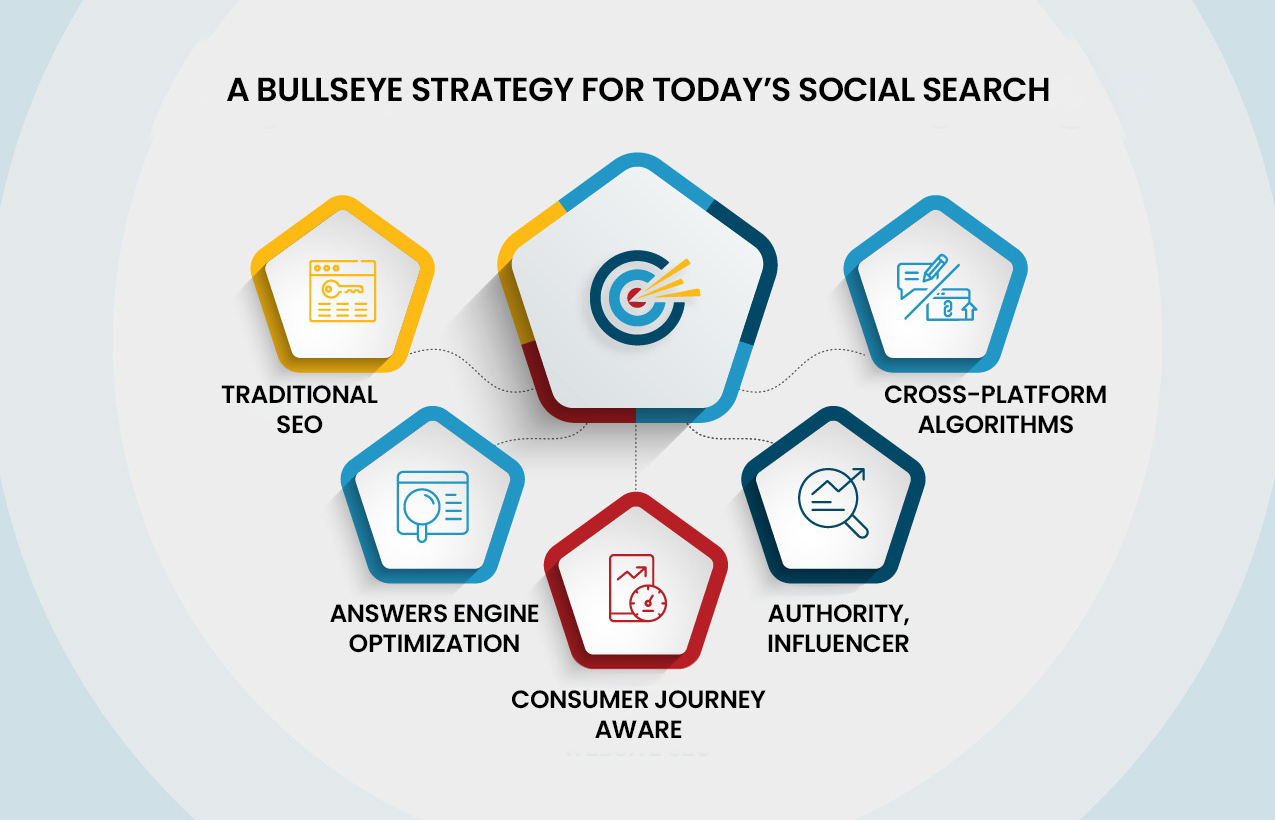
And at the center of that shift is a new frontier: AEO (Answer Engine Optimization). Traditional SEO focuses on making your content discoverable on search engines. AEO focuses on making your content "answerable" by AI.

Users today aren’t just typing keywords into Google, they're:

  • Asking AI assistants complex questions
  • Using natural language to describe problems
  • Requesting recommendations
  • Comparing products using conversational prompts
  • Seeking step-by-step explanations
  • Using voice and chat-based tools to guide decisions
AI-driven search behaves differently. It’s contextual, semantic, and personal. Instead of matching keywords, it interprets meaning and intent. If your content isn’t structured to be easily interpreted and confidently referenced by AI systems, your organization becomes invisible in an entirely new layer of search.

SEO + AEO = A Complete Search Optimization Strategy

SEO keeps you visible on traditional search engines.Google still processes billions of searches every day, and optimizing for ranking factors—page speed, mobile UX, structured data, keywords, and backlinks—is still essential.

AEO now positions your content to also be used by AI when users ask questions. Think ChatGPT, Google Gemini, Claude, Perplexity, Alexa, and built-in AI search bars across countless apps.

AEO requires:

  • Clear, direct, credible answers
  • Authoritative, well-structured content
  • Easily extractable facts and explanations
  • Human-sounding writing that AI can reference
  • Consistent brand expertise across all platforms
When AI models deliver answers, they pull from the most reliable, well-structured, helpful content they can find. Your content must be built to be the answer.

The Consumer Journey Is No Longer Linear

Another major shift is that today’s users wander. They jump between:
  • Google
  • TikTok
  • YouTube
  • Instagram Reels
  • AI assistants
  • Marketplace reviews
  • Long-form blogs
  • Short-form Q&A content
  • Social media comments
  • Influencer recommendations
Their path zigzags, loops, and morphs depending on mood, need, and trust level.

This means your content ecosystem must be adaptive. Your message must travel across formats—short-form video, long-form blogs, carousel graphics, AI-readable text, and more.

It must be dynamic. Your strategy can’t be based on a single path or predictable funnel. It must support multiple entry points and user journeys.

It must be present in every type of search. Your content can't be designed just for queries typed into Google, but must ready for questions spoken to AI, swipes on different platforms, etc.


The truth is Social media is now one of the most powerful search engines.

Users search TikTok, Pinterest and YouTube for instructions, reviews, product recommendations, answers, ideas, and inspiration. And they use AI to summarize what they find.

Your social content needs to be optimized to:

  • appear in social search
  • be understood by AI systems
  • provide clear, structured answers
  • reinforce your brand authority across platforms
High-quality social content now feeds both human search and AI search.

How I Help Organizations Optimize for Both SEO and AEO

As a social media content creator, I help brands navigate this new search landscape with content that is:
  • Search-intelligent — designed for both Google and AI assistants
  • AI-readable — structured so answer engines can easily understand and reference it
  • Social-powered — built to appear in platform-specific search algorithms
  • Authority-driven — positioning your organization as the expert AI trusts
  • Consumer-journey aware — crafted to support users across multiple touchpoints
I create the kind of content that ranks, answers, engages, converts, and adapts, no matter how the user chooses to search—today or tomorrow.